
If you’re looking for an insulin resistance diet plan, if you’re struggling with high blood sugar levels, or you’re simply wanting better metabolic health, you are not alone. So many people in our Devotions on Diabetes community are walking this road. They’re praying, learning, adjusting their eating habits, and trusting God one step at a time.
The good news? An intentional insulin resistance diet plan combined with healthy habits and physical activity can improve insulin sensitivity. It can also support weight loss, reduce excess fat, and protect overall health.
In this post, we’re diving deeper into what insulin resistance means. We’ll discuss how food and exercise impact your body and how to build a healthy diet that supports balanced blood glucose levels.
WHY AN INSULIN RESISTANCE DIET PLAN?
An insulin resistance diet plan is important because insulin resistance often develops quietly. Many people live for years with high blood glucose, stubborn weight gain, fatigue, and blood sugar spikes without realizing their body’s cells are struggling to respond to insulin.
Left unaddressed, insulin resistance can increase your higher risk of metabolic syndrome, heart disease, and other serious health conditions.
But the right meal plan, built around whole foods, lean proteins, healthy fats, non-starchy vegetables, and high-fiber foods, can improve insulin sensitivity. It can also stabilize blood glucose levels and support sustainable weight loss if that’s your goal. In other words, what you eat daily has the power to either strengthen insulin resistance or guide your body back toward balance and stable metabolic health.
What Is Insulin Sensitivity?
Insulin sensitivity refers to how responsive your body’s cells are to insulin. Remember, insulin is the hormone that allows glucose uptake. That means it helps move glucose from your bloodstream into your cells for energy.
When you have good insulin sensitivity, your body needs only a small amount of insulin to manage blood glucose levels effectively. Your liver cells, muscle cells, and fat cells respond efficiently. This supports things like:
- stable blood sugar
- steady energy
- healthy body weight
- lower risk of heart disease
- strong metabolic health
Higher insulin sensitivity is associated with better overall health. It lowers the risk of metabolic syndrome, high blood pressure, and type 2 diabetes.
If you want a refresher on how blood sugar works in the body, check out this article by the American Diabetes Association.

What Is Insulin Resistance?
Insulin resistance happens when your body’s cells stop responding properly to insulin. The pancreas produces more insulin to compensate, but over time this can lead to high blood glucose.
According to the American Diabetes Association, insulin resistance plays a central role in the development of type 2 diabetes and metabolic syndrome. The Centers for Disease Control and Prevention also explains that excess weight, lack of regular exercise, and genetics increase your risk.
When you are insulin resistant, your body struggles to move glucose into the body’s cells efficiently. This results in:
- high blood sugar levels
- weight gain, especially excess fat around the abdomen
- increased fatty acids in the bloodstream
- higher risk of heart disease
- higher risk of metabolic syndrome
Often, insulin resistance is detected through a blood test showing high blood glucose or elevated fasting insulin levels. Some people also track trends using a continuous glucose monitor or systems like the Dexcom I wear.
If you’re concerned, always consult your healthcare provider for medical advice tailored to your specific health conditions.
If you’re looking to track your blood sugar readings to look for trends, here’s a free printable blood sugar tracker you can download.
The Role of Exercise and Insulin Resistance
One of the most powerful lifestyle changes you can make to help insulin resistance is incorporating physical activity.
Regular exercise improves insulin sensitivity by helping your muscles use glucose more effectively, even without extra insulin. Both aerobic exercise and cardiovascular exercise increase glucose uptake and reduce high blood sugar levels.
Benefits of regular exercise include:
- lower blood glucose levels
- reduced excess weight
- improved metabolic health
- lower high blood pressure
- better heart health
Research shows combining aerobic exercise like brisk walking or cycling with resistance training is particularly effective.
You don’t need a gym membership. Simply walk after your next meal, do light strength training at home, or commit to daily movement. These are all powerful steps.

BONUS: Track your exercise with a free habit tracker printable
What Is an Insulin Resistance Diet Plan?
An insulin resistance diet plan focuses on stabilizing blood sugar. It improves insulin sensitivity, and supports sustainable weight loss.
This type of diet emphasizes:
- whole foods
- whole grains
- lean proteins
- healthy fats
- non-starchy vegetables
- high-fiber foods
- controlled portion sizes
Rather than being an extreme low-carb diet or eliminating entire food groups, the best diet for insulin resistance is a balanced diet built around nutritious foods that minimize blood sugar spikes.
The Mediterranean diet is often recommended because it prioritizes olive oil, unsaturated fats, leafy greens, lean proteins, and complex carbohydrates with a lower glycemic index.
A right meal plan should align with your health goals, body weight, and daily totals for g carbohydrate, g protein, g fat, and grams of fiber.
If you’d like a professionally designed example, this 7-Day Meal Plan for Insulin Resistance created by a registered dietitian is an excellent resource.
Does this Insulin Resistance Diet Plan Sound familiar?
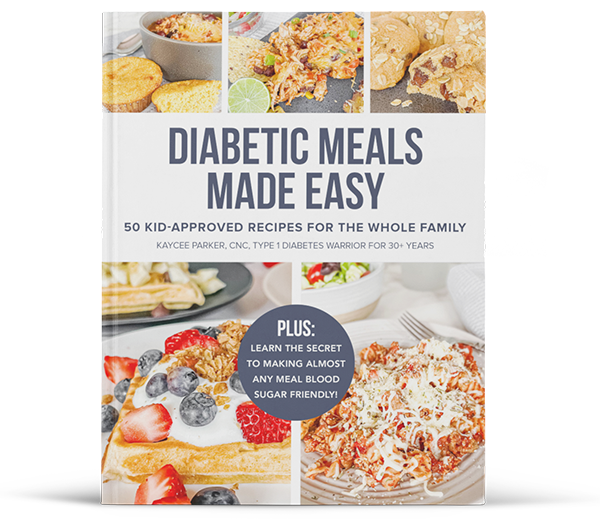
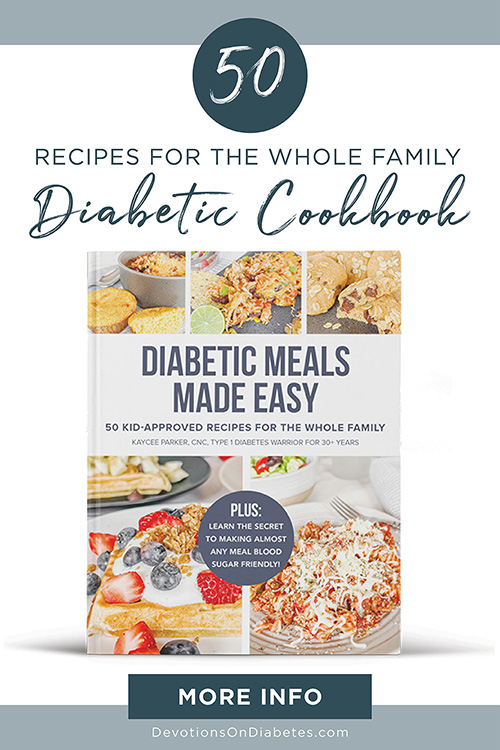
Anyone who knows of my Diabetic Meals Made Easy cookbook is likely thinking this insulin resistance diet plan sounds familiar. And you would be right! I explain in my very own cookbook why I focus on foods that are made of whole grain, lean protein, healthy fats, fresh fruits, and vegetables. (Spoiler alert: it’s actual science.)
Inside, you’ll find healthy and balanced (and easy!) breakfast recipes, snacks, main dishes, sides, and even desserts. It’s the cookbook that teaches you the secret to making almost any meal blood sugar friendly.
Foods to Eat on an Insulin Resistance Diet Plan (And Why)
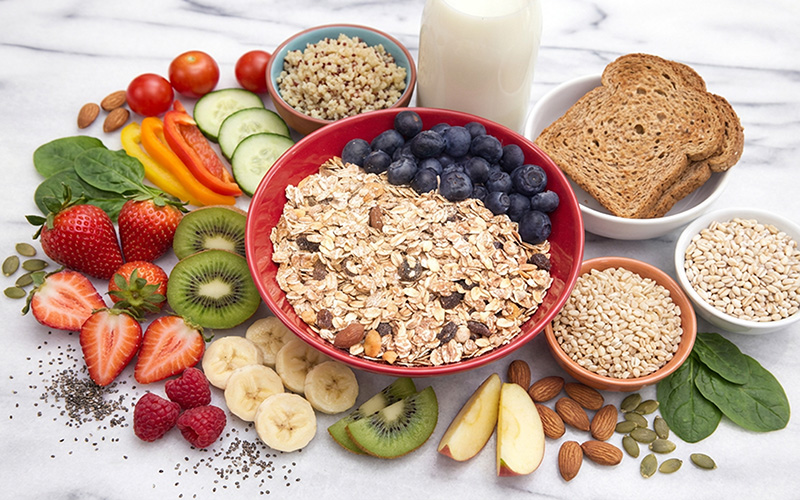
Here are the kinds of foods to prioritize on an insulin resistance diet plan:
1. Non-Starchy Vegetables
Examples: leafy greens, green beans, broccoli, zucchini.
Why? They’re low in g carbohydrate but high in g fiber, helping prevent blood sugar spikes. They’re also rich in nutrients that support metabolic health.
2. Whole Grains
Examples: brown rice, quinoa, oats.
Why? Whole grains contain complex carbohydrates and more grams of fiber than white rice or white bread. Fiber slows glucose absorption and reduces high blood glucose.
3. Lean Proteins
Examples: hard-boiled eggs, greek yogurt, cottage cheese, chicken breast, fish.
Why? Protein helps you feel full and prevents overeating at your next meal. Make sure you’re getting enough protein to support healthy body weight and blood sugar stability.
4. Healthy Fats
Examples: olive oil, avocado, chia seeds, natural peanut butter.
Why? These contain unsaturated fats and beneficial fatty acids that improve insulin sensitivity and reduce inflammation. Adding healthy fats slows digestion and prevents blood sugar spikes.
5. Whole Fruits
Last but not least, choose whole fruits instead of fruit juices. Whole fruits contain fiber, while fruit juices generally don’t, and they can spike blood glucose quickly.
Apple slices paired with natural peanut butter make a healthy snack and are a good choice for balancing carbohydrates with protein and fat.

Foods to Avoid on an Insulin Resistance Diet Plan (And Why)
Certain foods increase high blood sugar levels and worsen insulin resistance. So you’ll want to avoid these:
1. Sugary Drinks
Avoid sugary soda, sweet tea, and specialty coffees. These deliver too much glucose rapidly and cause sharp blood sugar spikes.
2. Sugary Foods
Limit candy, pastries, and desserts. These contribute to weight gain and excess fat accumulation.
3. Ultra-Processed Foods
These often contain refined carbohydrates, added sugars, and high mg sodium levels. Also, they lack fiber and cause rapid blood glucose increases.
4. High-GI Foods
High-gi foods like white bread and white rice digest quickly and spike blood sugar. So stay away from these on an insulin resistance diet plan.
5. Refined Carbohydrates
These foods lack fiber and increase high blood glucose more rapidly than complex carbohydrates.
Reducing these foods is one of the most impactful lifestyle changes you can make.
Why It’s Important to Balance Blood Sugar
Balanced blood glucose levels protect your:
- heart
- brain
- kidneys
- liver cells
- long-term metabolic health
Chronically high blood sugar increases your higher risk for heart disease, nerve damage, and other complications.
Balancing blood sugar supports:
- sustainable weight loss
- reduced excess weight
- healthy habits
- improved metabolic syndrome markers
- long-term overall health
If you’re working toward weight loss, remember that healthy meals and proper portion sizes matter more than extreme low-carb diets. A balanced diet built around whole foods is also more sustainable.

A Faith-Focused Encouragement
Managing insulin resistance isn’t just about food. It’s about stewardship.
Every healthy snack, every walk, every balanced meal is a step toward honoring the body God entrusted to you.
If you need simple, practical recipes designed specifically for balanced blood sugar, my cookbook Diabetic Meals Made Easy was created with you in mind. It’s filled with healthy meals that focus on lean proteins, whole grains, high-fiber foods, and healthy fats — without complicated ingredients.
You’ll find:
- easy breakfast ideas
- simple dinner recipes
- balanced macro guidance
- thoughtful portion sizes
If you’re looking for the right meal plan to support your insulin resistance diet plan, this cookbook will help you build consistent and delicious eating habits.
Final Thoughts: There Is Hope
If you are insulin resistant, this is not the end of your story. With a healthy diet, regular exercise, and intentional lifestyle changes, insulin sensitivity can improve!
You don’t have to overhaul everything overnight. Start with one or two of these ideas:
- replacing sugary drinks with water
- swapping white bread for whole grains
- adding leafy greens to dinner
- taking a 20-minute walk after meals
Small, faithful steps can lead to lasting transformation.
As always, consult your healthcare provider before making major changes, especially if you are managing diabetes or other health conditions.
And remember: progress, not perfection.
If this post encouraged you, be sure to explore more resources here at Devotions on Diabetes and consider picking up Diabetic Meals Made Easy to help you build balanced, nourishing habits that support steady blood sugar.
Get Your COPY:

Looking for More RECIPES?
DID YOU Enjoy this Post?
If you liked reading this, would you please let me know? I would love to hear from you!
If you want more Bible reading plans, devotions, and more, please join my VIP list and follow along on Facebook, Pinterest, and Instagram for the latest updates.
PIN FOR LATER
Related Posts

Like this Post? Share with a Friend: