
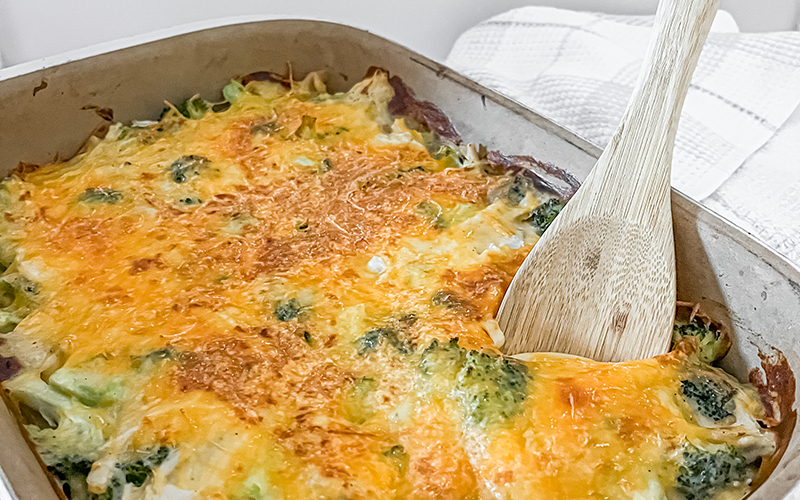
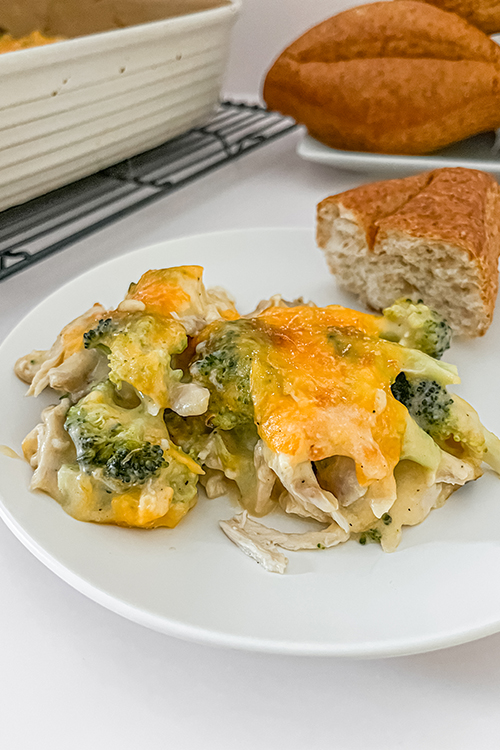
If you’re looking for a comforting dinner that won’t load your plate with carbohydrates, this diabetic chicken casserole with broccoli and cheddar cheese is a great place to start. It’s creamy, cheesy, and packed with protein. And it’s made with simple ingredients you can find at almost any grocery store.
This recipe combines tender rotisserie chicken, fresh broccoli florets, and plenty of shredded cheddar cheese in an easy homemade creamy sauce. The result is a hearty dish that feels like comfort food without relying on pasta, rice, or a traditional bread-based casserole filling.
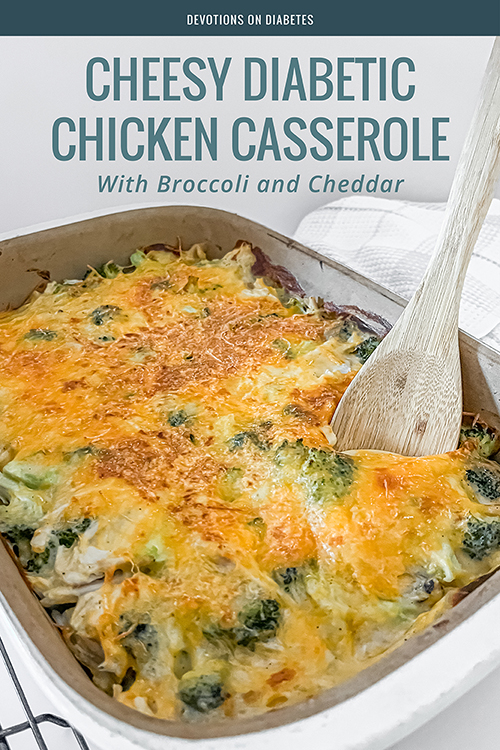
And the best part? You don’t have to spend your entire evening in the kitchen to make it!
Whether you’re cooking for yourself, feeding your whole family, or preparing meals ahead of a busy week, this cheesy chicken and broccoli casserole is an easy dinner to add to your rotation.
Why you’ll love this Diabetic chicken casserole
There are plenty of casserole recipes out there, but this one has several things going for it.
First, it uses rotisserie chicken. That means you can skip cooking chicken from scratch and get dinner on the table with less effort. Or you can sub in some chicken you’ve already cooked. Shredded chicken also makes it easy to distribute the meat evenly throughout the casserole.
Second, broccoli adds color, fiber, nutrients, and a bit of crunch. Paired with chicken and cheese, it makes a satisfying meal without needing a starchy base.
And finally, the homemade cheese sauce brings everything together. Butter, flour, milk, chicken broth, and shredded cheddar create a creamy sauce that coats the chicken and broccoli beautifully. (Plus, as an added bonus, children love cheese. So this is great for the whole family!)
You don’t need sour cream, cream cheese, heavy cream, or a can of condensed soup to get that cheesy goodness. This sauce gets its creaminess from the milk and cheese, making this a great dish when you want to prepare something from scratch.
It’s also a very flexible recipe. You can serve it on its own or pair it with a vegetable side, some brown rice, a salad, or another favorite dish.
If you enjoy delicious casseroles that are easy to prepare and satisfying to eat, this one deserves a spot on your dinner menu rotation.
Want 50 MORE Diabetic Recipes? Diabetes Meals Made Easy
Why This is a good dinner for people with diabetes
Managing diabetes doesn’t mean you have to give up comforting meals. It means learning how different foods fit into your overall eating plan. (More on that HERE.)
This diabetic chicken casserole combines protein-rich chicken, broccoli, and cheese with a relatively small amount of flour. Because it doesn’t contain pasta, rice, or a large quantity of bread crumbs, it’s naturally lower in carbohydrates than many traditional chicken casseroles.
The chicken provides protein to help make the meal satisfying. Broccoli contributes fiber. And the cheese adds flavor and richness. It all works together super well!
Protein, fiber, carbohydrates, and fat all play different roles in how a meal affects your blood sugar. Your individual response to this meal (or any meal) will depend on your medication, activity, portion size, and other factors.
One advantage of making this recipe at home is that you can control the ingredients and portion sizes. You can also serve it with additional nonstarchy vegetables if you’d like to build a larger plate without adding many carbohydrates.
Also, keep in mind that “lower in carbohydrates” doesn’t automatically mean “unlimited portions for everyone!” The cheese, butter, and olive oil contribute fat and calories, and the rotisserie chicken, broth, and added salt can contribute substantial sodium.
The goal is to enjoy a satisfying meal that works with your individual nutrition needs in moderation.
Diabetic Chicken Casserole Ingredients
One reason I love this recipe is that it uses simple ingredients. You won’t need a long list of specialty products or an expensive trip to the store.
Here’s what you’ll need to make this casserole.
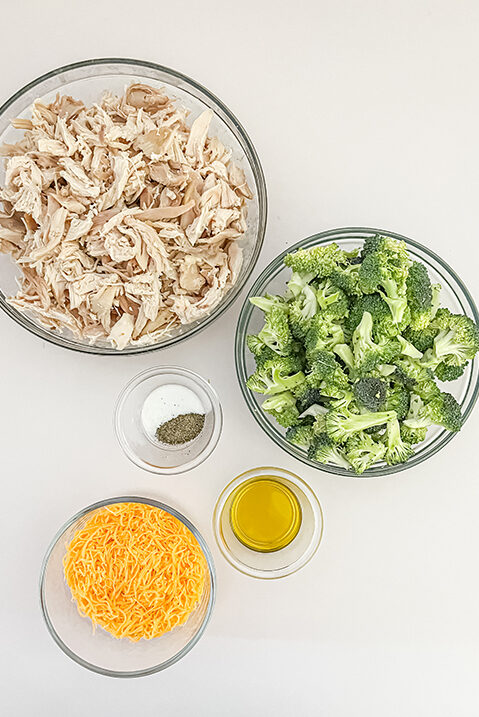
- Broccoli florets: Fresh broccoli works well, but frozen broccoli can be convenient, too. If you’re using frozen broccoli, be sure to thaw it and drain any excess water before assembling the casserole.
- Extra virgin olive oil: This helps cook the broccoli before it goes into the oven.
- Rotisserie chicken: You’ll need shredded meat from a rotisserie chicken. Be sure to remove the skin and bones before measuring the meat. I use an entire rotisserie chicken for this recipe.
- Salt and black pepper: These season the broccoli. The recipe uses less added salt that what might be typical to help reduce sodium since the rotisserie chicken has already been seasoned.
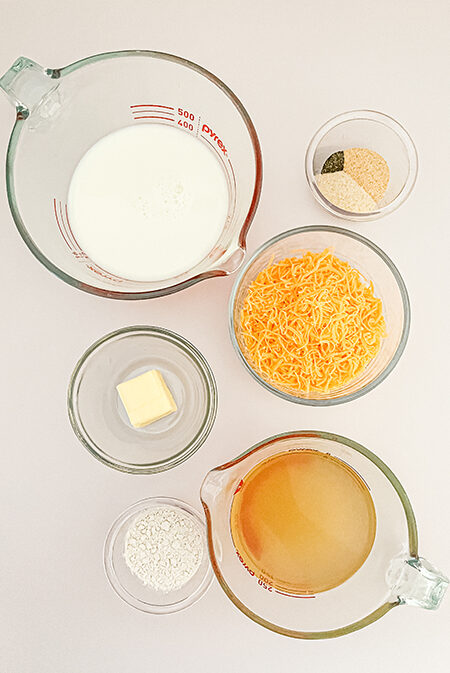
- Shredded cheddar cheese: Cheddar gives the casserole its classic cheesy flavor, and it melts beautifully. Sharp cheddar cheese is also an especially good option if you enjoy a stronger cheese flavor.
- Low-sodium chicken broth: This adds flavor to the sauce while helping you control the sodium content.
- Butter and all-purpose flour: These form the base of the creamy cheese sauce.
- 1% milk: Milk adds creaminess without requiring heavy cream and additional fat.
- Garlic powder, onion powder, and pepper: These seasonings provide savory flavor without adding much preparation time.
You can use pre-shredded cheese for convenience or shred a block yourself. Both work, although freshly shredded cheese often melts more smoothly because it typically contains less added anti-caking material. That, and it’s super delicious!
Choosing the Best Chicken for Your Casserole
Rotisserie chicken is one of the easiest shortcuts for busy weeknight dinners. Since the chicken is already cooked, you can spend your time preparing the vegetables and sauce instead.
For this diabetic chicken casserole recipe, you’ll need approximately 1 1/2 pounds of shredded chicken. (That’s basically an entire rotisserie chicken.) White meat from skinless chicken breasts is a lean source of protein. Dark meat from chicken thighs generally contains more fat, although both can work well in this casserole.
You can also use leftover chicken from another meal if you like. If you’ve already prepared a baked Italian chicken, grilled chicken, or another simple chicken dinner, shred the cooked chicken and use it here. (Or meal plan ahead and make enough in the first meal to cover both recipes!)
Just remember that the nutritional information may change depending on how the chicken was prepared. Rotisserie chicken can contain more sodium than plain home-cooked chicken, so check the label when possible.
If you prefer to cook your own chicken, lean chicken breast is an easy option. Bake or poach them until the internal temperature reaches 165 degrees F. Then allow them to cool slightly before shredding.
Cooked chicken should always be handled safely and refrigerated promptly if you’re not using it right away.
How to Make the Broccoli
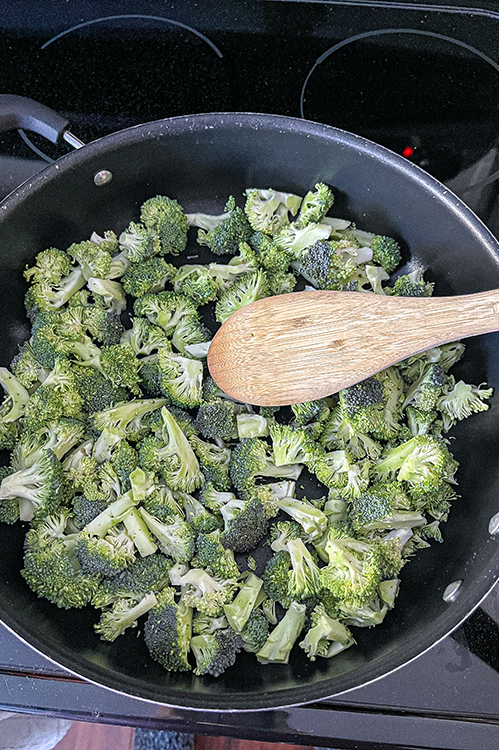
Start by preparing the broccoli. You’ll need approximately six cups of broccoli florets chopped into small pieces. That’s about two crowns of broccoli.
If you’re using fresh broccoli, wash it thoroughly and cut it into bite-sized pieces. Try to keep the florets a similar size so they’ll cook evenly.
Heat the olive oil in a large skillet over medium heat. Once warm, add the broccoli and cook it briefly, stirring occasionally, for about 1 minute. Add in the water and cover to steam for another 2 minutes only.
Note: you’re not trying to cook the broccoli completely at this stage. It will continue cooking in the oven later, so the goal is simply to begin softening it.
If you prefer softer broccoli, you can steam it briefly in the microwave instead. Just be sure to avoid adding too much water to the casserole. Excess moisture can make the sauce thinner than you might like. If you steam the broccoli, drain it well before adding it to the other ingredients.
Fresh broccoli is a great choice because it holds its texture well, but frozen broccoli can save time on busy evenings. The choice is yours.
How to Make the Creamy Cheddar Sauce
The homemade cheese sauce is what gives this diabetic chicken casserole its comforting flavor!
Start by melting the butter in a saucepan or a large skillet over medium heat. You can use the pan you just used to cook the broccoli if you wipe it out well. Once the butter has melted, whisk in the flour and cook the mixture briefly to create a roux. (Look at you, fancy chef!)
Gradually whisk in the low-sodium chicken broth and 1% milk. Adding the liquids slowly helps prevent lumps from forming.
Continue stirring as the sauce warms and thickens. You’re looking for a smooth, creamy sauce rather than a thin liquid. You’ll notice a drag in the sauce as you stir once it starts to thicken.
Once the sauce has thickened, reduce the heat to medium-low. Stir in the garlic powder, onion powder, and pepper. Once those are fully combined, add the first cup of shredded cheddar cheese and stir well.
Avoid letting the sauce boil vigorously after adding the cheese. Gentle heat helps keep the sauce smooth. Remove from the heat.
If you enjoy experimenting with flavors, smoked paprika or a small pinch of chili powder can add extra flavor. However, these are optional additions rather than ingredients in the original recipe.
You can also add a little lemon juice for brightness, although it’s best to start with just a small amount so it doesn’t overpower the cheddar.
Assembling Your Chicken and Broccoli Casserole
Now it’s time to bring everything together! Preheat your oven to 375 degrees F. Coat a 9-by-13-inch baking dish or casserole dish with cooking spray.
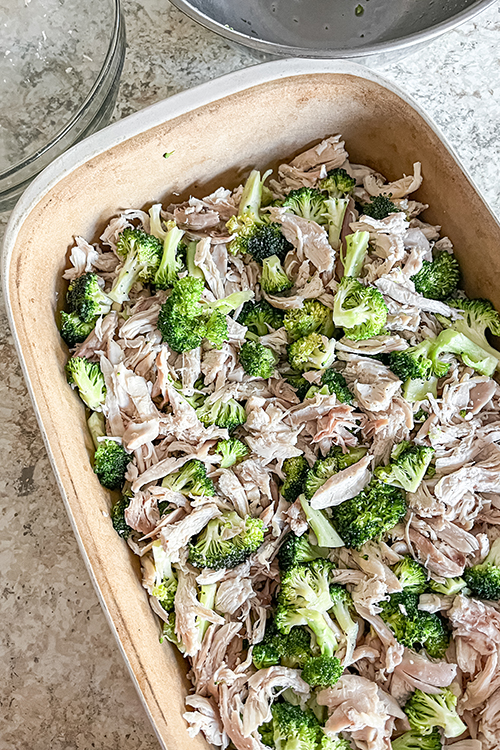
Combine the shredded rotisserie chicken and prepared broccoli, either in the baking dish itself or a large mixing bowl. Add the creamy cheese sauce and spread gently until the broccoli and chicken mixture are evenly coated.
For the best results, make sure the chicken and broccoli are distributed evenly. You want every serving to have a good balance of chicken, vegetables, and sauce. If you’re using a large bowl, transfer everything to the baking dish now.
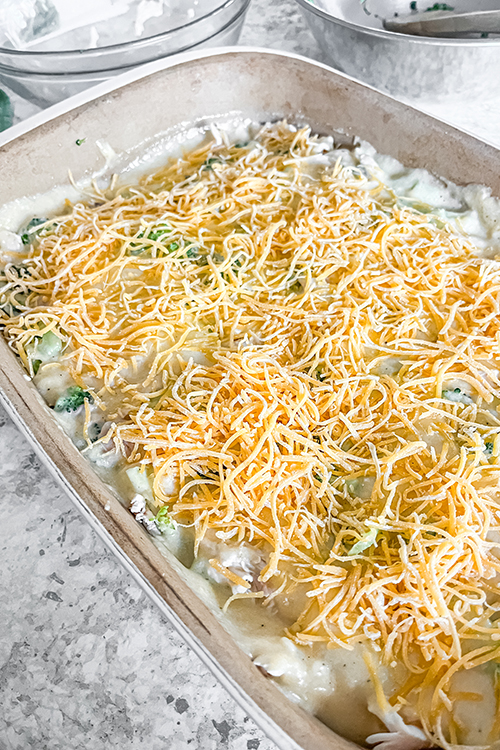
Sprinkle the remaining 1 1/2 cups of shredded cheddar cheese over the top. That final layer of cheese will melt as the casserole bakes, creating a delicious topping.
If you’re preparing a smaller batch or half recipe, you can use a smaller baking dish. Just keep in mind that the depth of the casserole can affect how quickly it heats through.
Baking diabetic chicken Casserole
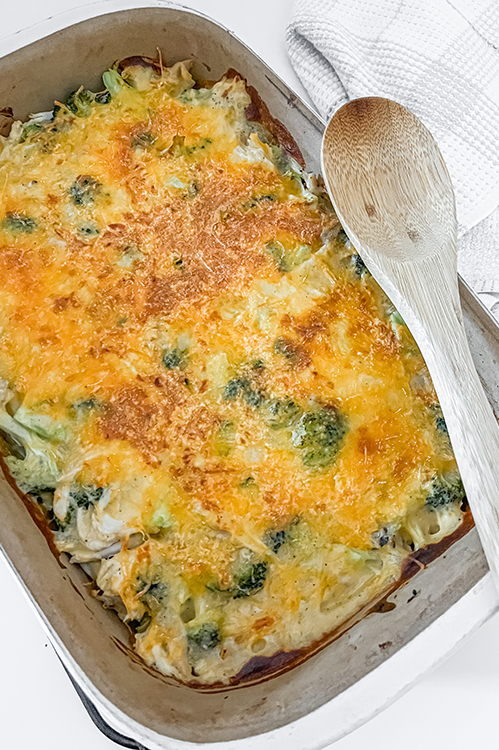
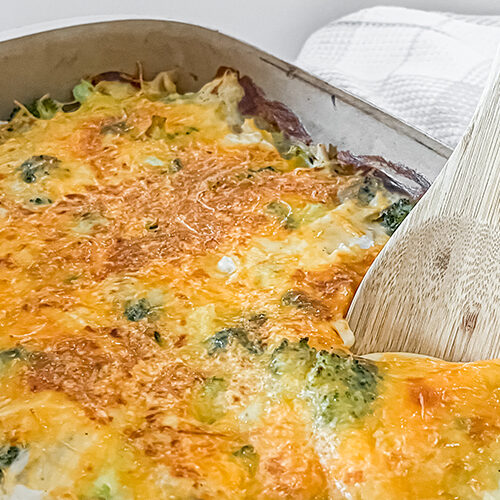
Place the assembled casserole in your preheated oven and bake until it’s hot throughout and the cheese has melted, about 20 minutes. Because the chicken is already cooked, you’re primarily heating the ingredients and allowing the flavors to come together.
The cheese on top should look melted and may develop a few golden brown spots around the edges.
If you like a more browned topping, you can briefly place the casserole under the broiler at the end of baking. Watch it carefully, because cheese can go from beautifully browned to burnt in a hurry under a broiler! (Yes, I know this from experience.)
If you’ve assembled the casserole ahead of time and refrigerated it, it may need additional baking time to reheat because it will be starting from a colder temperature.
Allow the finished casserole to rest for a few minutes before serving. This gives the sauce a chance to settle and makes it easier to portion.
Learn more about meal planning: Diabetes Meal Plan Made Easy
What to Serve With This Casserole
One of the great things about this low carb casserole is that it can serve as the main course without requiring many additional ingredients. Since it already contains chicken and broccoli, you can keep your side dishes simple.
Here are a few ideas to try:
- A fresh green salad: Toss lettuce, cucumbers, tomatoes, and other favorite vegetables together. Use a light dressing that fits your nutritional preferences.
- Roasted vegetables: Green beans, asparagus, Brussels sprouts, or fresh zucchini make excellent side dishes. Roast them with a little olive oil, garlic powder, and black pepper.
- Cauliflower rice: Fresh cauliflower rice is a good option if you’d like something to serve alongside the casserole without adding as many carbohydrates as traditional rice.
- Roasted cauliflower: Season cauliflower with olive oil, smoked paprika, and garlic powder. Then roast until tender.
- A small serving of whole-grain bread: If bread fits your meal plan, a slice or dinner roll can round out your meal. Check the nutrition label and account for its carbohydrates.
The key is to choose sides that complement the creamy cheese sauce without making dinner more complicated than it needs to be.
How to Store Leftovers
If you have leftovers, you’re in luck! This casserole makes a convenient lunch or dinner for another day.
Allow the casserole to cool slightly, then transfer individual portions to airtight containers. Refrigerate them within two hours of cooking.
You can also cover the baking dish tightly with plastic wrap or aluminum foil once the casserole has cooled enough for safe storage and transfer it to the refrigerator. For food safety, cooked chicken casseroles should generally be refrigerated for three to four days.
When you’re ready to eat, reheat an individual portion in the microwave or warm a larger portion in the oven. Add a small splash of milk or chicken broth if the sauce seems thicker after refrigeration.
If you don’t expect to eat the leftovers within a few days, freeze them instead. For easier meal planning, divide the casserole into individual portions before freezing. Then you can thaw just what you need.
Use freezer-safe containers and label them with the date. For the best quality, aim to use frozen leftovers within two to three months. Thaw frozen portions in the refrigerator before reheating whenever possible.
Diabetic chicken casserole recipe FAQ
Here are a few frequently asked questions about this recipe for diabetic chicken casserole.
Can You Make This Casserole Ahead of Time?
Absolutely! Preparing dinner ahead of time can make busy evenings much less stressful. You can cook the broccoli, shred the chicken, and prepare the cheese sauce in advance. Store the components separately in the refrigerator, then assemble the casserole when you’re ready to bake it.
Alternatively, assemble the casserole, cover it, and refrigerate it before baking. For food safety, refrigerate it promptly rather than leaving it on the counter to cool for an extended period.
If you assemble it the night before, expect it to take longer to heat through when you bake it straight from the refrigerator.
You may also want to prepare the sauce slightly thinner than usual, since it can thicken as it cools. This can be done by adding some additional broth or milk.
If you’re interested in making meal prep a regular part of your routine, check out my post on Diabetes Meal Plan Made Easy.
My meal planning tips offer ideas for making meal planning more manageable, so you don’t have to figure out every dinner at the last minute. Planning ahead can be especially helpful when you’re managing diabetes, juggling family schedules, and trying to get a satisfying meal on the table.
How Can I Customize This Recipe?
Once you’ve made the original recipe, you can experiment with a few variations.
If you want to add more vegetables, consider stirring in mushrooms or a small amount of diced bell peppers. Green peppers or green bell pepper can bring a slightly different flavor, although they aren’t included in the original ingredient list.
You could also use cauliflower instead of some of the broccoli. Just be sure to cook and drain the vegetables appropriately so they don’t release too much moisture into the sauce.
Keeping the recipe simple also makes it easier to estimate the nutritional information and identify which ingredients contribute carbohydrates, fat, protein, and sodium.
Is This a High-Protein, Low-Carb Recipe?
This casserole provides a combination of protein, vegetables, and fat, with fewer carbohydrates than many casseroles made with pasta or rice. Based on estimated nutrition values, one-eighth of the casserole contains approximately 31 grams of protein and 10 grams of total carbohydrates.
That makes it a potentially useful option for someone looking for a high protein dinner that doesn’t rely on a large serving of starch.
However, the term low-carb doesn’t mean the meal is automatically right for everyone. Your carbohydrate needs and blood sugar response are individual, and the portion you eat matters.
The recipe also contains a substantial amount of cheese and butter, so calories and saturated fat are worth considering as part of your overall eating pattern.
If you’re tracking your food intake, use the nutrition label on your own ingredients whenever possible. That will give you a more accurate picture than relying on a general estimate.
Can I use frozen broccoli?
Yes! Frozen broccoli works well in this recipe. Thaw it first and drain excess water before adding it to the chicken mixture. Removing extra moisture helps keep the cheese sauce from becoming watery.
Can I use leftover chicken instead of rotisserie chicken?
Absolutely. Any fully cooked chicken that you enjoy can work. Leftover chicken breast, shredded chicken thighs, or plain cooked chicken are all options. Just remember that seasonings and cooking methods can change the final flavor and nutritional information.
Can I prepare the casserole without flour?
The flour helps thicken the sauce, so leaving it out will change the consistency. If you need a gluten-free or lower-carbohydrate alternative, you can explore a different thickening method, but you’ll need to adjust the preparation and nutrition estimates accordingly.
Can I freeze diabetic chicken casserole?
Yes. Freeze it in individual portions or as a larger dish in a freezer-safe container. Thaw it in the refrigerator before reheating.
Is this recipe suitable for the whole family?
It can be! This is a comforting, cheesy dinner that many people enjoy, whether or not they have diabetes. You can serve it with different sides so everyone can build a plate that suits their preferences and nutritional needs.
Nutrition FOR THIS healthy Chicken Casserole RECIPE
The following values are estimates for one-eighth of the casserole.
- Calories: 401
- Total fat: 27 grams
- Saturated fat: 11.5 grams
- Total carbohydrates: 10 grams
- Dietary fiber: 1.5 grams
- Net carbohydrates: 8.5 grams
- Protein: 31 grams
- Sodium: 879 milligrams
Actual nutritional information will vary depending on the rotisserie chicken, cheddar cheese, chicken broth, and other brands you use.
The sodium estimate reflects the reduced-salt version of the recipe. Rotisserie chicken and cheese can still contribute significant sodium, even when you use low-sodium broth.
Net carbohydrates are calculated by subtracting fiber from total carbohydrates.
If you’re following a specific diabetic meal plan, use these figures as a starting point rather than a substitute for personalized nutrition guidance.
(Need help counting carbs for your recipes? Check out my step-by-step instructions!)
Be sure to work this into your diet how you best manage your diabetes. And be sure to count the total carbs in the specific products you use. Different brands vary in ingredients, so be fully sure of the nutritional information in what you’re eating.
And now for your free recipe card:
Cheesy Diabetic Chicken Casserole with Broccoli
Equipment
- 1 large skillet
- 1 large sauce pan
- 1 measuring spoons and cups
- 1 9×13 casserole dish (or similar size)
- 1 large mixing bowl optional
Ingredients
CASSEROLE
- 6 cups broccoli florets apx. 2 crowns
- 2 Tbsp extra virgin olive oil
- 2 Tbsp water
- 1 1/2 lb. rotisserie chicken shredded
- 1/4 t. pepper
- 1/2 t. salt
- 1 cup cheddar cheese shredded
SAUCE
- 2 Tbsp butter
- 2 Tbsp all purpose flour
- 1 cup chicken broth low sodium
- 1 1/2 cup 1 % milk
- 1 t. garlic powder
- 1 t. onion powder
- 1/4 t. pepper
- 1 1/2 cup cheddar cheese shredded
Instructions
- Heat olive oil in a large skillet over medium heat. Add the broccoli and cook it 1-2 minutes while stirring to coat. Add the water, cover, and steam for only 2 minutes. Remove from heat and allow to cool spread out on a plate, not yet fully cooked. Sprinkle with salt and pepper to season. Wipe the broccoli bits from the pan.
- Add the butter to melt in the large pan, still over medium heat. Once fully melted, whisk in the flour and cook briefly to create a roux. Stir constantly.After the butter and flour are fully incorporated, gradually whisk in the chicken broth and milk. Continue whisking as the sauce warms and thickens. Once the sauce has thickened and starts to drag when you whisk it, reduce the heat to medium-low. Whisk in the garlic powder, onion powder, and pepper. Once fully mixed together, add 1 cup of shredded cheese. Continue whisking until the cheese is fully melted. (Do not allow to boil.) Remove from heat.
- Preheat the oven to 375℉. Prepare a 9×13 baking dish with cooking spray.Assemble the casserole by combining the shredded chicken and broccoli together in the baking dish. Once the chicken and broccoli are evenly mixed, pour on the sauce, spreading it evenly to the edges.Top the casserole with the remaining 1 1/2 cups shredded cheese.
- Bake the casserole in the preheated oven for approximately 20 minutes, until the casserole is warmed through and the cheese on top is melted. (Cooking time will vary, depending on the temperature of your ingredients when placed in the oven.)Remove from the oven and allow to rest 5 minutes before serving.
Notes
8 servings SERVING SIZE:
1/8 of casserole NUTRITION PER SERVING:
Calories 400, Total Fat 27g, Saturated Fat 11.5g, Sodium 879mg, Total Carbohydrates 10g, Dietary Fiber 1.6g, Net Carbohydrates 8.5g, Total Sugars 3.4g, Protein 31g
More Diabetic-Friendly Dinner Ideas
If you enjoy this diabetic chicken casserole recipe, there are plenty of other ways to build satisfying dinners around protein, vegetables, and flavors you love.
My cookbook, Diabetic Meals Made Easy, offers 50 diabetic-friendly recipes to help you make everyday meals easier.
The goal isn’t to create a completely separate menu for someone with diabetes. It’s to find practical ways to enjoy familiar foods while being mindful of ingredients, portions, and nutritional needs.
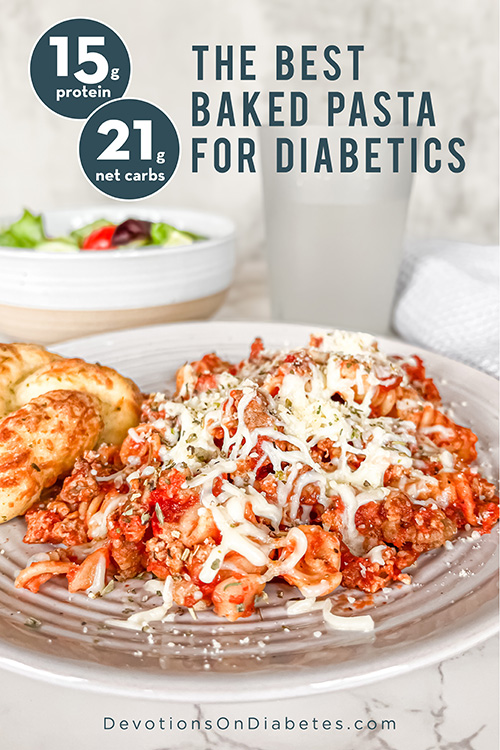
You might also enjoy experimenting with other easy casseroles, sheet-pan dinners, soups, and skillet meals. Recipes such as low-carb Italian chicken cutlets or baked Italian chicken can offer variety when you want something different from a cheesy casserole.
For the best results, choose recipes that fit your family’s preferences and your own nutrition goals. Having a collection of reliable meals makes it easier to plan ahead instead of relying on takeout when life gets busy.

DID YOU Make this Recipe?
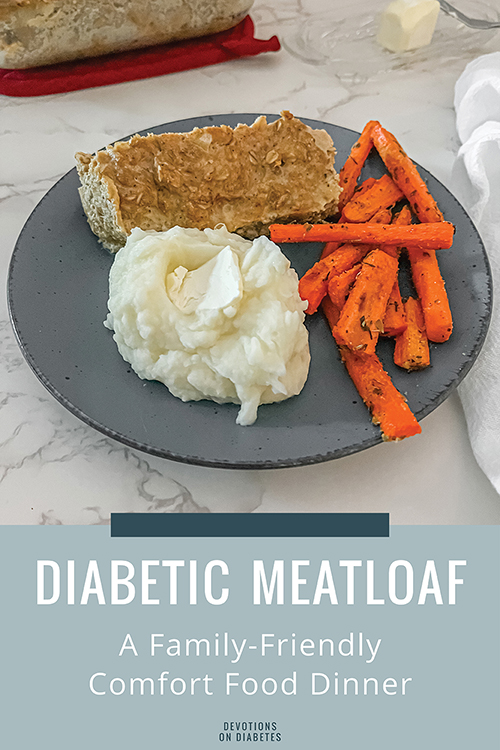
If you’ve made this diabetic meatloaf recipe, would you please let me know? I would love to hear from you!
If you want more diabetic friendly recipes, please join my VIP list and follow along on Facebook, Pinterest, and Instagram for the latest updates.
NOTE: Although I am a Certified Nutrition Coach, nothing here should be taken as professional medical advice. Any nutritional information provided should be used as a general guideline and estimate only. For the most accurate information, please calculate based on the specific ingredients and brands you use, as well as any changes you make to the recipe. Please consult with your healthcare team for any questions in regards to your diet or medical care.
Looking for More recipes?
PIN FOR LATER
Recommended Recipes

COUNT CARBS and Nutrition Facts EASILY
Looking for a way to count your carbs, fat, fiber, and protein easily? Look no further…
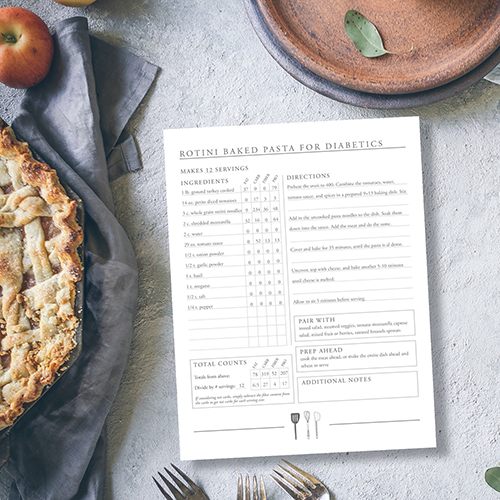
I love how this template makes counting nutrition facts SO easy. You literally list the total grams from each ingredient, total it at the bottom, and divide by the number of servings. Voila!
This recipe template walks you through every step. And you can keep it for future reference. Just calculate it once and you’re done!
Check my Etsy store for an instant download that includes a cover page, section header pages for different kinds of recipes, section tabs, and this recipe template.
Like this Post? Share with a Friend: